
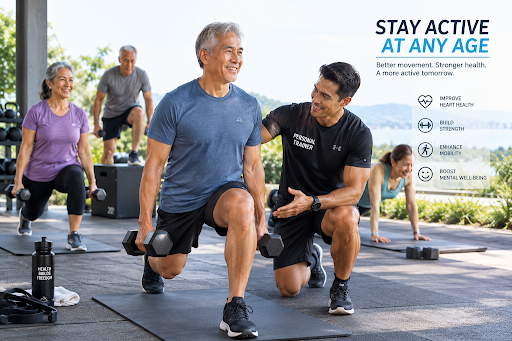
If you are over 50 and thinking about getting back into exercise, good on you. You do not need to be a gym junkie, have a six-pack, or train like you are 25 again. You just need a sensible plan, a bit of consistency and someone who knows how to tailor training to your body.
That is where personal training comes in. A good trainer can help you move better, build strength, improve balance and feel more confident without throwing you straight into a boot camp style workout. For Gold Coast locals, it is even easier to get started because training can happen at home, in a local park, at the beach or in your apartment gym.
Whether you live near Surfers Paradise, Broadbeach, Southport or Runaway Bay, the goal is the same: start safely, progress gradually and make exercise something you can stick with for the long haul.
Why Exercise Matters More After 50
As we get older, it is normal to notice a few changes. Recovery can take a bit longer, joints may feel stiffer in the morning, and muscle strength can gradually decline if we are not using it. None of that means you have to slow down completely.
Regular exercise can help with:
- Maintaining muscle strength and bone health
- Improving balance and reducing the risk of falls
- Supporting heart health and healthy blood pressure
- Managing weight and energy levels
- Improving mobility, flexibility and posture
- Boosting mood, confidence and sleep quality
Australian physical activity guidelines for adults aged 65 and over recommend at least 30 minutes of moderate intensity activity on most days, muscle strengthening activities at least twice a week, and balance or mobility focused activities at least three days a week, according to the Australian Government Department of Health.
The important part is that you do not have to do it all at once. A 20 minute walk along the Broadwater, some light strength work at home and a few balance exercises can be a ripper starting point.
Why Personal Training Works Well for Over-50s
Plenty of people over 50 avoid gyms because they feel self conscious, unsure where to start, or worried about aggravating an old injury. Personal training removes a lot of that guesswork.
Instead of copying a random online workout, you get a program built around your current fitness level, health history, goals and any niggles you want to manage carefully. That might mean starting with bodyweight movements, resistance bands, light dumbbells, walking, stretching or low impact conditioning.
A personal trainer can also help you:
- Learn proper technique before adding resistance
- Warm up and cool down properly
- Choose exercises that suit sore knees, hips, shoulders or backs
- Progress at a pace that challenges you without smashing you
- Stay accountable when motivation dips
- Adjust sessions around medical advice, injuries or recovery needs
Our approach at Personal Trainers Gold Coast is to make training personal, practical and comfortable. You can train at home, outdoors or in a private setting, so you do not have to worry about busy gyms or feeling out of place.
See Your GP First If Needed
Before starting a new exercise program, it is smart to have a quick chat with your GP, especially if you have a heart condition, high blood pressure, diabetes, joint replacements, osteoporosis or you have been inactive for a long time.
Pre-exercise screening is commonly used to identify health conditions that may increase the risk of a problem during physical activity, and it helps determine whether exercise is safe for you, as explained by the Better Health Channel.
You should also seek medical advice before training if exercise causes chest pain, severe dizziness, fainting or unusual breathlessness. Once you have the all clear, a trainer can work alongside any guidance from your doctor or physiotherapist.
Start With the Basics
The biggest mistake people make when restarting exercise is doing too much too soon. You might feel keen on day one, then spend the next week walking around like a tin man.
Start with a simple routine and build from there.
1. Begin With Walking
Walking is underrated. It is low impact, easy on the joints and perfect for the Gold Coast lifestyle. Try a brisk walk around your neighbourhood, along the beach at Burleigh Heads, or around a local park such as Cascade Gardens in Broadbeach.
Aim for a pace where you can still chat, but you would rather not sing a full song. If 10 minutes feels manageable, start there. Add a few minutes each week as your fitness improves.
2. Add Strength Training
Strength training is not just for young blokes trying to get massive arms. For over-50s, it is one of the best ways to protect muscle mass, support bone health and make everyday tasks easier, such as carrying shopping, getting out of a chair or climbing stairs.
The Heart Foundation notes that regular physical activity strengthens muscles and bones, and that people with poor mobility should include activity to improve balance and help prevent falls.
Good beginner strength exercises include:
- Sit to stands from a sturdy chair
- Wall push ups
- Glute bridges
- Step ups on a low step
- Light dumbbell rows
- Resistance band presses
- Heel raises
- Gentle core work
You do not need fancy equipment. A chair, a step, resistance bands and a pair of light dumbbells can go a long way.
3. Do not Forget Balance
Balance training becomes more important with age, particularly if you want to stay independent and reduce fall risk. Simple exercises such as standing on one leg while holding a bench, heel to toe walking, or controlled step ups can make a real difference over time.
You can do these at home, but make sure you have something sturdy nearby for support. A trainer can progress these safely once your confidence improves.
Warm Up, Cool Down and Listen to Your Body
A proper warm up does not need to be complicated. Five to 10 minutes of easy walking, gentle arm circles, hip movements and bodyweight squats can get the blood flowing and prepare your joints for exercise.
After training, spend a few minutes slowing down and stretching the muscles you have used. Focus on calves, hamstrings, hips, chest, shoulders and upper back.
It is also important to know the difference between normal muscle fatigue and a warning sign. Mild soreness the next day can be normal when you are getting back into training. Sharp joint pain, chest pain, dizziness, nausea or sudden breathlessness are not. Stop and seek medical advice if any of those occur.
How Often Should Over-50s Train?
There is no one size fits all answer, but a realistic starting point for many people is:
- Two strength sessions each week
- Two or three walks or low impact cardio sessions
- Short daily movement breaks
- Balance and mobility work a few times a week
If you have not trained in years, start with two sessions per week and see how your body responds. Consistency beats intensity every time. You are far better off doing three manageable sessions a week for months than going hell for leather for two weeks and then giving up because you are crook, sore or over it.
Training at Home or Outdoors on the Gold Coast
One of the best things about personal training on the Gold Coast is the lifestyle. You do not have to train in a crowded gym to get results.
A trainer can bring equipment to your home, meet you at a local park, or design a session around your apartment gym. Outdoor sessions can include walking intervals, bodyweight strength work, resistance bands, boxing style conditioning and stretching.
Popular options include training near the beach, in a park, at home, or in a quiet outdoor space close to where you live. If the weather is stinking hot, sessions can be moved indoors or scheduled earlier in the morning.
If you want a program designed around your home, schedule and fitness level, personal training can be tailored to suit you, whether you are just getting started or getting back into exercise after a long break.
What a Safe First Session Might Look Like
Your first session should not leave you unable to get off the couch the next day. A sensible introductory session may include:
- A chat about your goals, injuries, medications and activity history
- A simple movement assessment
- Light mobility and warm up work
- Basic strength exercises using bodyweight or light resistance
- Balance and coordination practice
- A short walk or low impact finisher
- Stretching and a plan for the week ahead
The aim is to finish feeling like you have done something productive, not like you have been hit by a bus.
Common Mistakes to Avoid
A few things can slow down progress or increase injury risk:
- Skipping warm ups because you are short on time
- Copying high intensity workouts meant for younger or highly trained people
- Ignoring pain and pushing through joint discomfort
- Doing the same routine for months without progression
- Comparing yourself to someone half your age
- Training hard seven days a week and not allowing recovery
- Forgetting about strength, balance and flexibility
A trainer helps you avoid these traps by keeping your program structured, progressive and appropriate for your body.
You Are Never Too Old to Start
The best time to start was yesterday, but the second best time is today. You do not need to become a different person overnight. Start where you are, use what you have and build confidence one session at a time.
At Personal Trainers Gold Coast, the focus is on personalised support, safe progression and helping clients enjoy the benefits of an active lifestyle. Whether your goal is to lose a few kilos, improve balance, build strength or simply feel more energetic, there is a sensible way to get there.
So grab your runners, fill up the water bottle and take that first step. Your future self will thank you for it.